When you enter someone else’s property — whether it is a shopping mall, a private home, an office building, or a public park — you have a reasonable expectation that the premises are safe. Unfortunately, that is not always the case. When negligent property owners fail to maintain safe conditions and someone is injured as a result, premises liability law steps in to hold them accountable.
What Is Premises Liability?
Premises liability is a legal concept that holds property owners and occupiers responsible for accidents and injuries that occur on their property due to unsafe or defective conditions. This area of law is based on the principle that those who own or control a property have a legal duty to ensure it is reasonably safe for visitors.
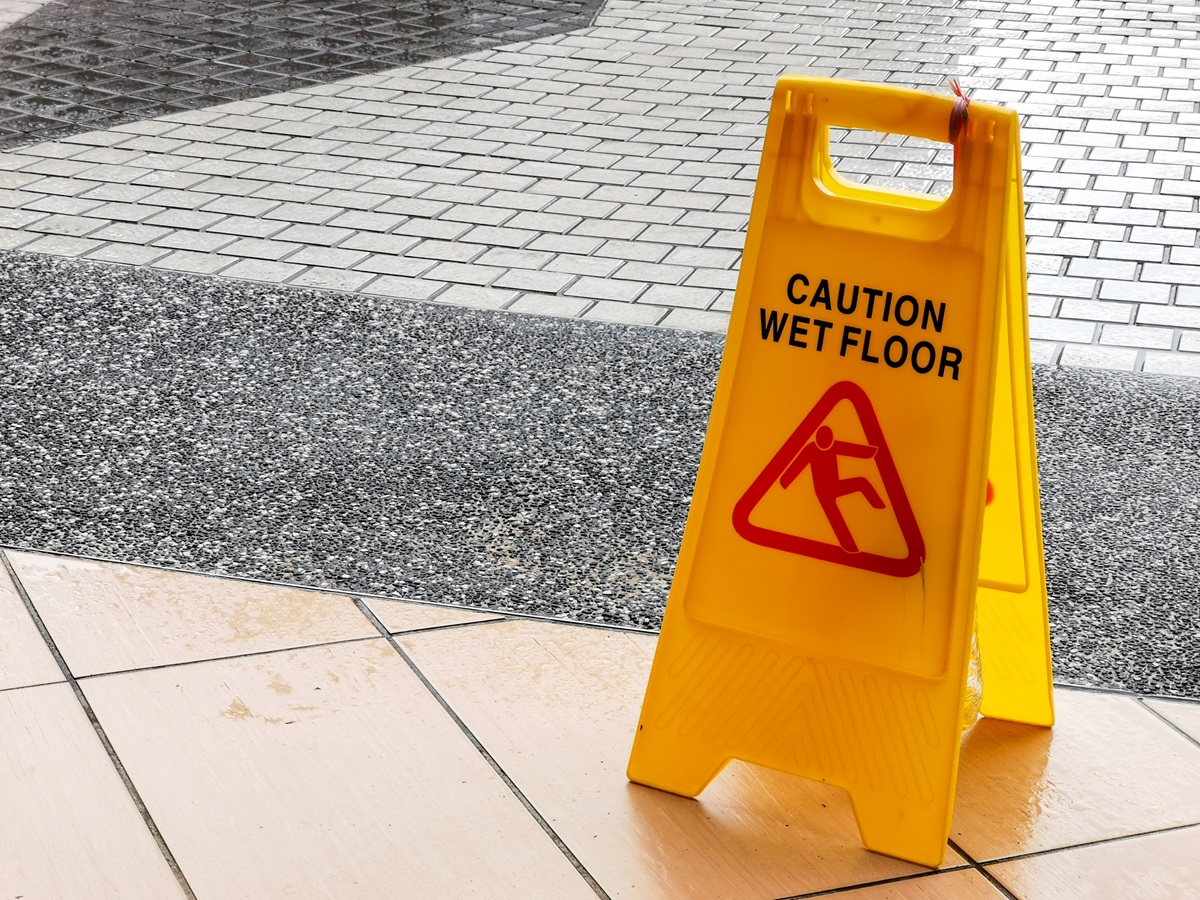
Premises liability cases can arise from a wide variety of situations, including slip and fall accidents, inadequate security leading to assault, dog bites, swimming pool accidents, staircase collapses, falling objects, and exposure to toxic substances.
The Duty of Care
Not all visitors to a property are treated equally under the law. Legal status is typically categorized into three groups: invitees, licensees, and trespassers. Invitees — such as customers entering a retail store — are owed the highest duty of care. Property owners must actively inspect their premises for hazards and address them in a timely manner. Licensees, such as social guests, are owed a lesser duty, though property owners must still warn them of known dangers. Trespassers are generally owed the least protection, though exceptions exist for children under the attractive nuisance doctrine.
Proving Negligence in a Premises Liability Case
To succeed in a premises liability claim, the injured party must typically prove the following: that the property owner owed them a duty of care, that the owner knew or should have known about the dangerous condition, that the owner failed to correct or warn about the hazard, and that this failure directly caused the injury.
Proving negligence can be challenging without proper evidence. Surveillance footage, maintenance records, incident reports, witness statements, and expert testimony can all play a critical role in establishing liability.
Common Defenses Used by Property Owners
Property owners and their insurance companies often use various defenses to reduce or eliminate their liability. These may include arguing that the injured party was aware of the hazard and assumed the risk, that the hazard was open and obvious, or that the injured party’s own negligence contributed to the accident. Understanding these defenses ahead of time can help injured parties prepare a stronger case with the assistance of qualified premises liability attorneys.
Why Legal Representation Matters
Premises liability cases involve intricate legal standards and factual complexities that can be difficult to navigate without professional guidance. Experienced premises liability attorneys understand the legal requirements in each jurisdiction and know how to build a compelling case on behalf of their clients. If you have been injured on someone else’s property, consulting an attorney can help you understand your options and fight for the compensation you deserve.